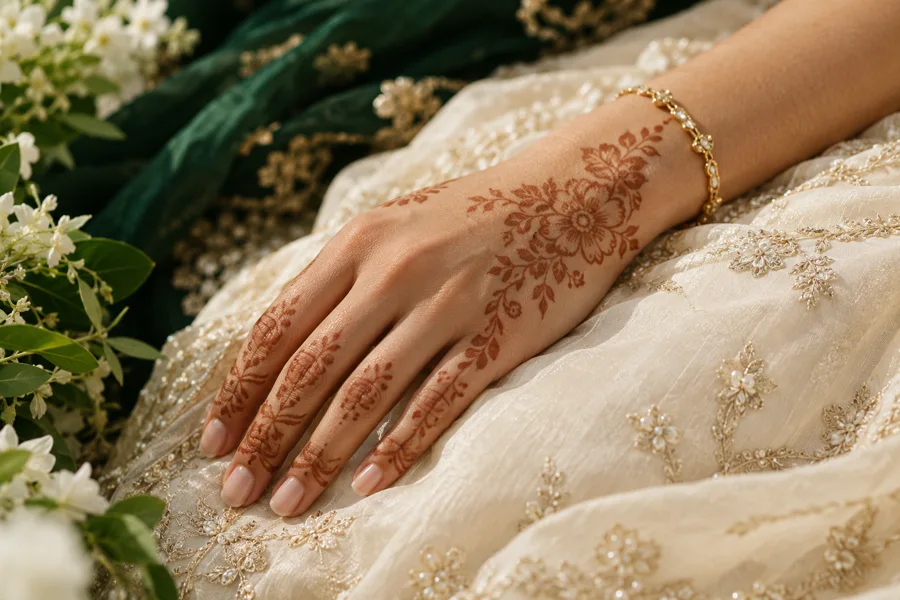
An Arabian henna night is a pre-wedding gathering associated in some families with henna adornment, music and time together. Its meaning, participants and format vary by community. It can be intimate or elaborate, traditional or adapted. The most respectful starting point is to ask the hosts what this particular evening means to them.
Understand the context before the styling
Henna practices extend across different countries and communities. They should not be reduced to one decorative theme or treated as a requirement for every Arab wedding. UNESCO’s henna heritage record recognizes this shared cultural practice and its local expressions. A family’s own experience may be more specific than any broad summary.
Ask whether the gathering centers on the bride, includes both partners or has a particular guest arrangement. Confirm whether relatives will lead songs or other activities, and who is comfortable explaining them. Do not replace the family’s vocabulary with an invented name because it sounds more decorative on an invitation.
Decide what kind of evening you want
A small home gathering can focus on conversation and shared food. A larger venue may allow music, seating areas and a dedicated artist station. Choose the scale according to the people you want present and the time available before the wedding. A second major production is not essential to make the event meaningful.
Consider the bride’s energy as well as the guest count. If the evening falls near travel, fittings or other celebrations, keep the schedule flexible. Build a quiet place to rest and a practical route to food and water. The wedding planning guide can help coordinate multiple events without crowding the week.
Create a comfortable henna station
Place the artist where there is enough light and a stable working surface. The seating should support relaxed arms, and the route around it should remain clear. Ask the artist what preparation, working time and aftercare arrangements are needed. Share those instructions in advance rather than improvising them while guests wait.
Participation should be optional. Someone may decline for personal, work or skin-related reasons without needing to explain publicly. Ask the artist for a clear ingredient list and appropriate safety information. This article does not provide product or medical advice; guests with concerns should obtain qualified guidance before application.
A simple hosting sequence
- Welcome guests with drinks, introductions and a place for belongings.
- Explain the evening’s format and any photography boundaries.
- Allow the principal adornment or family activity to happen without rushing.
- Invite optional guest participation according to the artist’s capacity.
- Serve an easy-to-manage meal and leave time for conversation.
- Finish with clear transport information and a relaxed farewell.
The order is an example, not a traditional prescription. Your family may arrange the gathering differently. Keep one person responsible for timing so the hosts can participate. If you are hiring entertainment, make sure performers understand when to pause for important family moments and when background music is enough.
Decor that supports the gathering
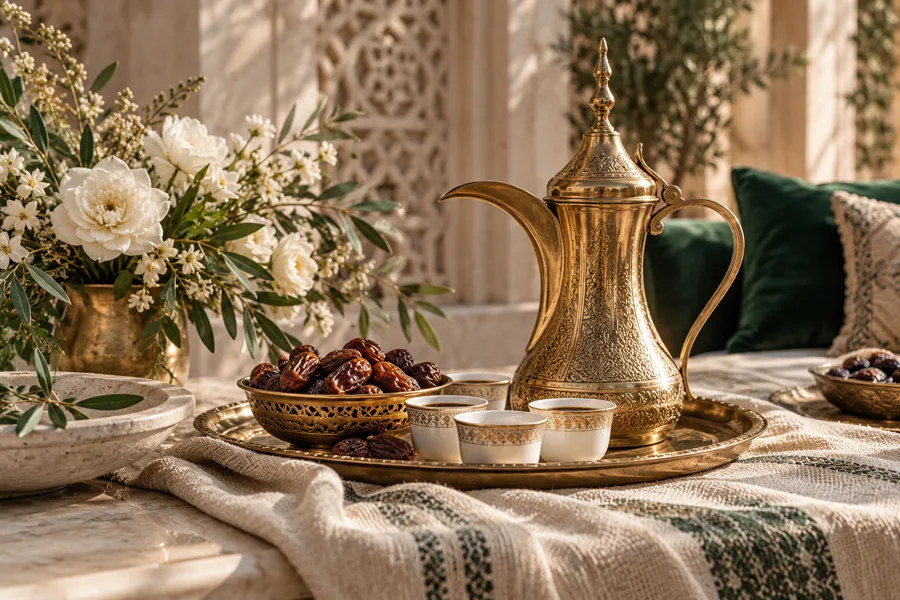
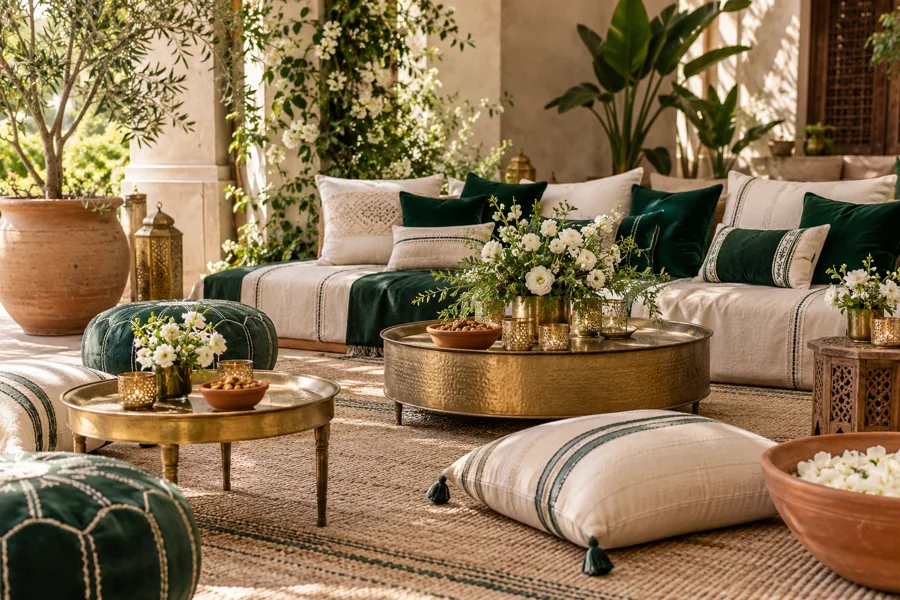
Textiles, low floral arrangements and warm lighting can make a room inviting without covering every surface. Start with the existing furniture. Add cushions only where they improve comfort, and provide chairs with backs for people who prefer them. Low seating should be a choice, not the only option available.
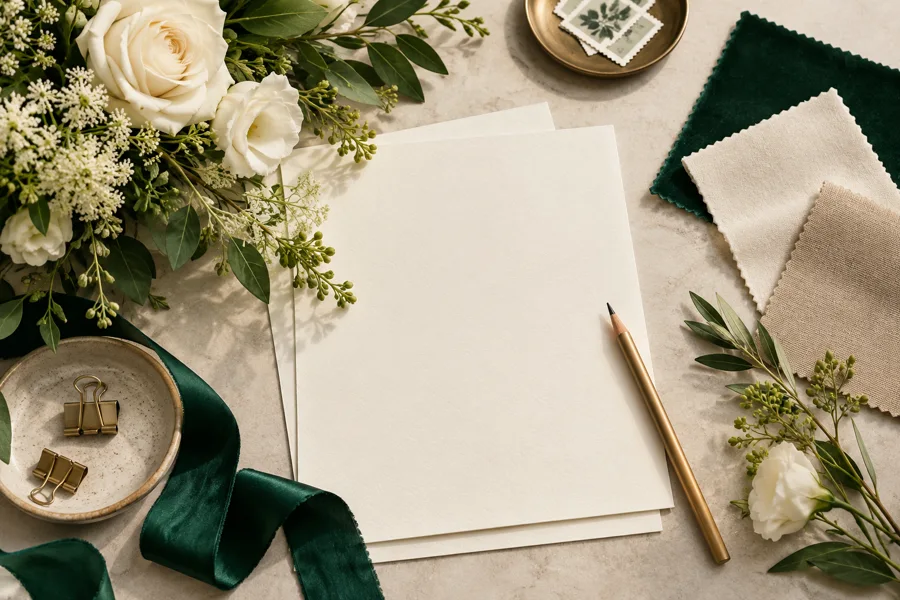
Choose two main colors and one metal finish. Emerald with warm ivory can feel calm; terracotta with sand creates another understated direction. These are contemporary styling suggestions, not claims about traditional palettes. Use the decor article to plan lighting, circulation and reusable details.
Clothing and adornment
Wear sleeves and accessories that allow the planned application without awkward adjustments. Ask the hosts about formality and any family expectations. A comfortable occasion dress may be more useful than a very structured outfit if you will be seated for a long period. Keep spare layers away from the artist’s working area.
If you choose regional clothing, learn its name and context from a knowledgeable source. Do not combine garments from unrelated places and label the result authentic. Our bridal style guide discusses how to distinguish personal inspiration from a specific heritage garment.
Food, music and privacy
Offer food that guests can manage comfortably while participating. Arrange help where needed rather than assuming everyone can serve themselves. Keep drinks in accessible locations and explain ingredients. If music is important, invite the family to help choose a playlist that reflects their tastes and the purpose of the evening.
Ask before photographing an application or a private gathering. Permission to attend does not automatically include permission to post portraits. A visible reminder and a brief welcome announcement can make expectations clear. Tell hired photographers the same rules and agree whether any gallery may be shared beyond the guests.
For multicultural families
A short explanation can help guests participate respectfully. Describe what will happen, whether participation is optional and whom to ask for help. Avoid turning relatives into performers expected to explain their culture throughout the evening. Appoint a willing host contact instead, and keep explanations brief enough to leave room for celebration.
Explore the broader wedding traditions guide when deciding which events belong together. You can honor a family practice while adjusting the setting or scale. Be clear about those choices, and give both partners room to say what feels comfortable.
Henna night questions
Is every guest expected to receive henna?
No. Confirm the hosts’ arrangements, but participation should remain a choice. Joining the meal, conversation or music can be a complete way to celebrate without receiving an application.
Should I bring a gift?
Follow the invitation or ask a host contact. A separate event does not automatically create a separate gift obligation. A thoughtful note may be welcome; avoid guessing what a family expects.
Prepared for this edition on October 21, 2026. Cultural references are linked in context. Requested commercial and message-resource links are marked nofollow; products have not been tested.