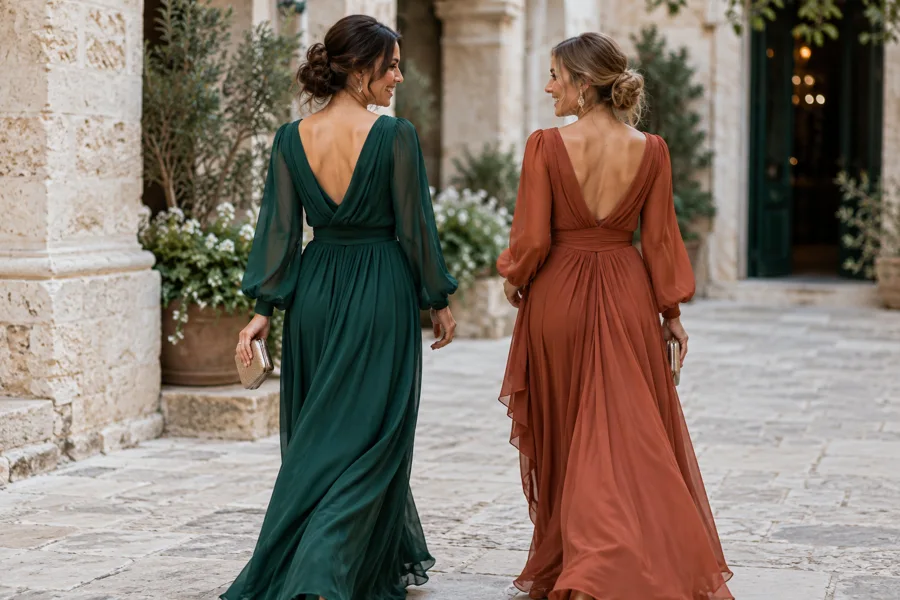
To plan an Arabian-inspired wedding, first identify the family traditions you want to honor, then build the budget, venue choice and schedule around those priorities. Do not begin with lanterns or a stage. Begin with the people, the ceremony and the experience you want guests to have. Styling becomes easier once those decisions are clear.
1. Write a shared wedding brief
Each partner should choose three priorities independently before comparing notes. These might be a relaxed family meal, a particular ceremony, beautiful portraits or music everyone enjoys. Look for agreement, then discuss the differences. Decide which traditions belong to your families and which design choices are simply contemporary inspiration.
Use the phrase Arabian-inspired carefully. An emerald table setting is an aesthetic choice; a named regional custom has a cultural context. If you are unsure how to include a practice, ask someone who knows it. Our guide to wedding traditions offers a starting framework without treating the Arab world as a single culture.
2. Set a budget before reserving a room
List every event separately, including smaller gatherings, welcome meals and transport. Then group costs into venue, catering, clothing, photography, entertainment, decor and administration. Include taxes, delivery, alterations, vendor meals and overtime where applicable. Keep a reserve that reflects the uncertainty in your quotes rather than committing every available amount immediately.
Ask who is contributing and whether the contribution carries expectations. Write down payment dates and cancellation terms. If relatives are covering a specific item, agree whether they are choosing it or financing the couple’s choice. Clear language prevents a generous offer from becoming a disagreement later.
3. Build the guest list in versions
Prepare a smaller essential list and an expanded list before touring venues. Compare the costs of both. A room that accommodates everyone on paper may still feel cramped once a stage, service routes and accessible seating are included. Count children, vendors and attendants according to the venue’s actual catering and capacity rules.
Collect dietary and access requests through a contact method you genuinely operate. Keep guest information private and limit who receives it. Invitations should make it clear which people and events are included. Avoid leaving relatives to infer whether partners, children or additional family members are invited.
4. Choose a venue that supports the format
Visit at a similar time of day to the planned celebration. Notice heat, sunlight, noise, stairs and the distance between arrival and seating. Ask about indoor alternatives, separate preparation rooms, privacy, catering access and sound restrictions. If your event needs different spaces or a quiet room, confirm those arrangements in writing.
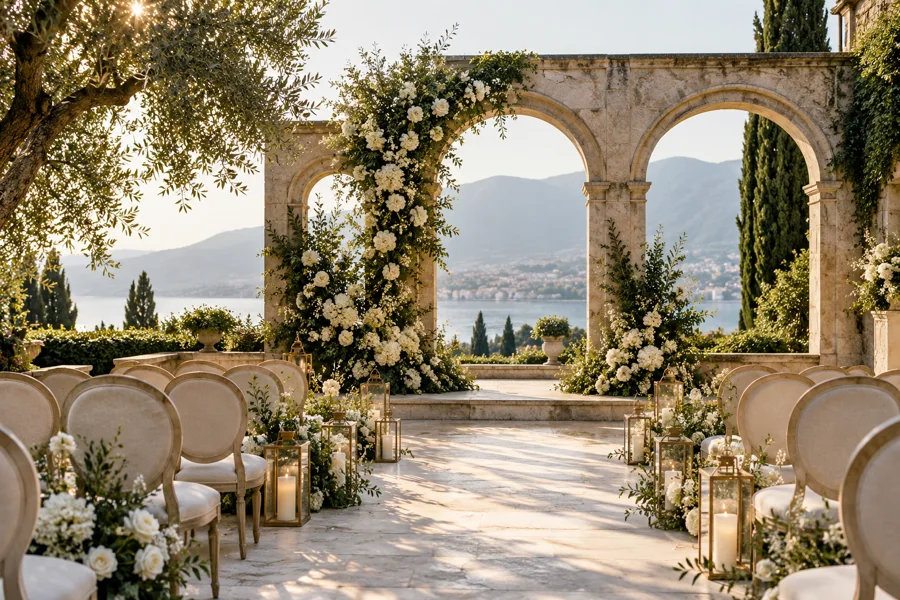
Photograph the empty room before choosing a decorative concept. Architecture may already supply the character you need. A pale stone courtyard can work beautifully with restrained florals and textiles; adding a large artificial backdrop may reduce both the budget and the space available to guests. See our venue styling guide for practical alternatives.
5. Design the meal around hospitality
Choose food with your families and caterer rather than assuming one menu represents every Arab wedding. Discuss the importance of particular dishes, how they will be served and what guests unfamiliar with them may need to know. Label ingredients clearly, and provide satisfying alternatives that fit confirmed dietary requirements.
UNESCO’s record of Arabic coffee and hospitality provides one cultural example. If coffee service is meaningful to your family, assign enough time and the right staff. Also offer water and alternatives. Hospitality is more persuasive when guests feel considered than when every surface is decorated.
6. Coordinate clothing and preparation
Book fittings around the actual ceremony and climate. Test sitting, walking and lifting your arms in each outfit. Plan where changes will happen and who will help with buttons, jewelry or a veil. Keep family heirlooms secure and photograph their condition before handing them to anyone outside the family.
Our bridal fashion checklist helps compare fabrics and alterations. If you are including a henna gathering, coordinate it with fittings and other appointments. Leave quiet time between events; a celebration becomes harder to enjoy when every hour is accounted for.
7. Create an adaptable timeline
| Planning stage | Decisions to complete |
|---|---|
| Before major bookings | Budget, guest range, ceremony requirements and priorities |
| After venue confirmation | Food, photography, music, access and event format |
| Before invitations | Exact dates, dress guidance, travel details and RSVP route |
| Final planning period | Guest count, seating, vendor contacts and a weather alternative |
| Wedding week | Confirm handovers, payments, transport and emergency supplies |
This is a sequence, not a promise that every wedding needs the same lead time. Availability, travel and paperwork can change the order. Ask vendors when decisions must be final and work backward from those deadlines. Assign a trusted coordinator so the couple is not answering delivery calls while getting dressed.
8. Make the guest experience legible
Provide a short schedule with arrival instructions, ceremony expectations and transport information. Translate essential details when your guests use different languages. Tell the photographer about privacy boundaries and agree who may authorize public images. The guest etiquette article can help identify questions an invitation should answer.
On the day, protect breathing space around the important moments. Allow time for a delayed car, a quiet conversation or a relative who needs assistance. A successful plan is one that still works when people behave like people, rather than one that requires perfect timing to remain beautiful.
Planning questions
Do we need a specialist planner?
Choose experience relevant to your event format, language needs and vendors. Ask for a clear scope and examples of how the planner handles cultural requests; a stylish portfolio alone does not establish that understanding.
What should we simplify first?
Remove optional production before removing guest essentials. Fewer decorative installations or outfit changes may protect the meal, transport and time with family that matter most to you.
Prepared for this edition on October 21, 2026. Cultural references are linked in context. Requested commercial and message-resource links are marked nofollow; products have not been tested.