Elegant Arabian-inspired wedding decor begins with the venue and the couple’s story. Choose a restrained palette, a few meaningful materials and lighting that makes guests comfortable. Avoid treating the Arab world as one ornamental theme. A contemporary courtyard reception can reference architecture and family hospitality without claiming that every decorative detail is a historic tradition.
Read the room before adding anything
Photograph the venue from the guest entrance, the couple’s seats and the dining area. Notice strong lines, windows, existing patterns and surfaces worth preserving. If the building already has carved stone or decorative tile, leave some of it visible. Covering every wall can erase the character you chose the venue for.
Ask about attachments, candle rules, power, delivery access and removal times. A design should fit the venue’s limits before it reaches a florist or rental company. Our wedding planning guide helps turn those practical details into an organized brief.
Choose a palette with a clear hierarchy
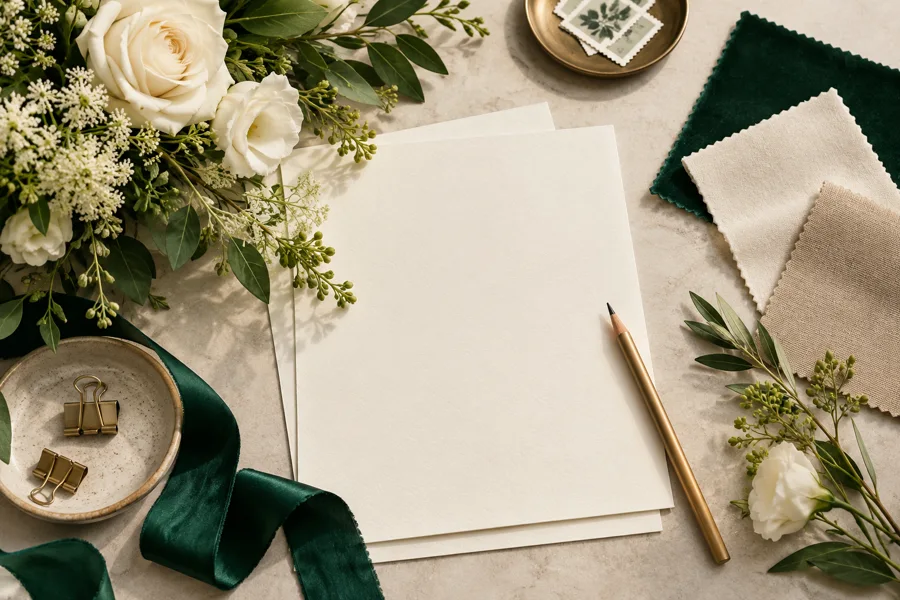
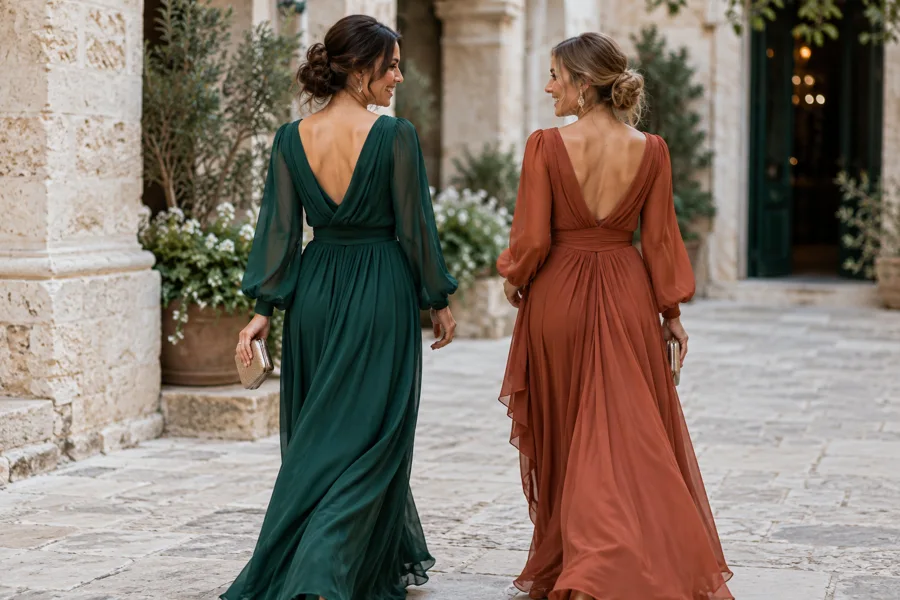
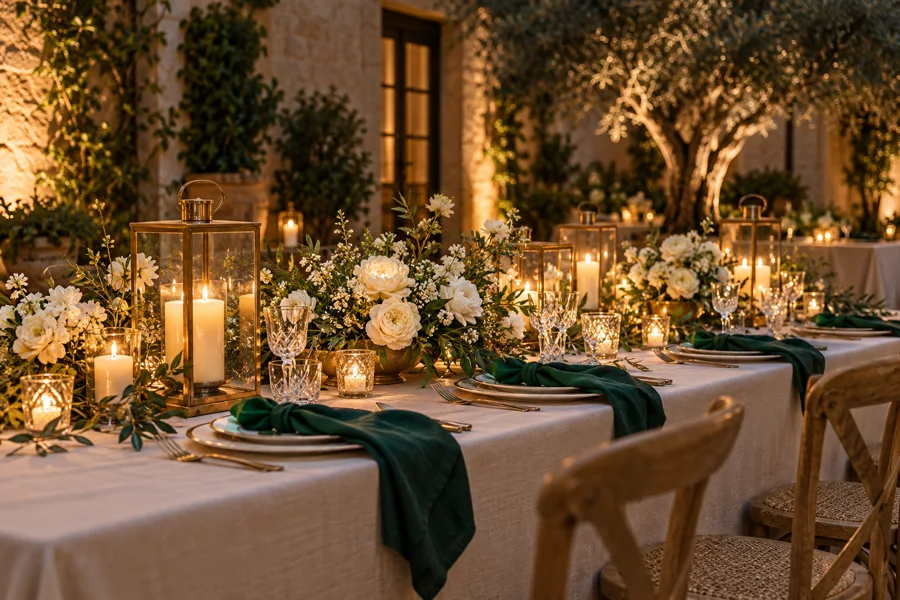
Use one dominant neutral, one supporting color and a smaller accent. Warm ivory, deep emerald and antique brass create a quiet formal direction. Sand, terracotta and soft cream can suit a warmer daytime setting. These are design suggestions rather than regional rules, so adjust them to the building and your preferences.
| Direction | Main materials | Best design emphasis |
|---|---|---|
| Ivory and emerald | Linen, dark foliage, restrained brass | Clean contrast and a few rich details |
| Sand and terracotta | Ceramics, textured cloth, pale flowers | Soft warmth and natural surfaces |
| Stone and champagne | Clear glass, tonal flowers, light textiles | Architecture and gentle evening light |
Compare real samples under the venue lighting. A gold finish that looks subtle in a showroom may appear bright yellow under warm bulbs. Request a small table trial before ordering large quantities, and photograph it without a filter. Screens are useful references but unreliable substitutes for material samples.
Design flowers around sightlines
Guests should be able to see the people across the table. Keep low arrangements genuinely low, or use elevated designs with enough open space below. Ask the florist about availability, fragrance and maintenance in the expected temperature. A smaller arrangement that holds its shape may work better than a sprawling installation that wilts.
Repeat one floral language across the room rather than commissioning unrelated displays. A ceremony arrangement may later frame the couple’s reception seats if the venue and florist can move it safely. Confirm the labor and timing; reuse is only a saving when it does not create a difficult handover during the event.
Use textiles with purpose
Textiles can add softness, define a lounge or echo a family garment. If you use a named regional weaving or motif, learn its origin and describe it accurately. Do not call a generic printed runner traditional simply because its pattern looks geometric. A plain high-quality cloth is a confident choice when no specific cultural reference is intended.
Think about how fabric behaves around food, candles and pathways. Long drapes need secure installation and venue approval. Rugs must lie safely without obstructing mobility aids. Provide a range of seating heights; a low lounge can be attractive without becoming the only place an older guest can rest.
Lanterns and lighting
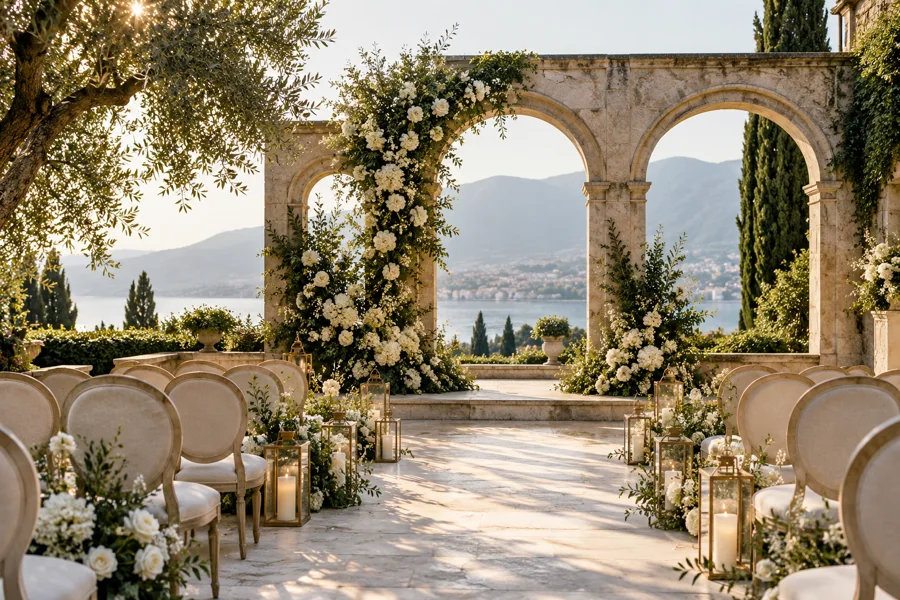
Lanterns work best as repeated accents rather than scattered props. Group them where guests can see them without narrowing routes. Use venue-approved light sources and let the events team decide what is safe. An enclosed appearance does not automatically mean a candle is permitted indoors.
Layer light for faces, tables and circulation. Ask the photographer to review the proposed lighting before the day. Very dim dining may look atmospheric in a styled image but make menus and steps difficult to see. Avoid strong colored light over the meal if it distorts skin tones and food.
Give the stage or backdrop room to breathe
A focal backdrop can frame family portraits or the couple’s seats, but it should not dominate every view. Decide what function it serves before choosing its scale. Keep steps, cables and lighting supports out of guest routes. Include enough space for a group photo without moving dining chairs during the reception.
For a restrained approach, use one architectural frame, asymmetrical flowers and simple seating. If cultural clothing is central, let its detail remain visible against a quieter background. Our bridal style article can help coordinate textures without matching everything exactly.
Spend on what guests actually experience
- Prioritize comfortable seating, clear routes and adequate lighting.
- Choose one strong visual moment rather than several competing installations.
- Reuse arrangements only with a workable transfer plan.
- Rent practical pieces before commissioning one-use objects.
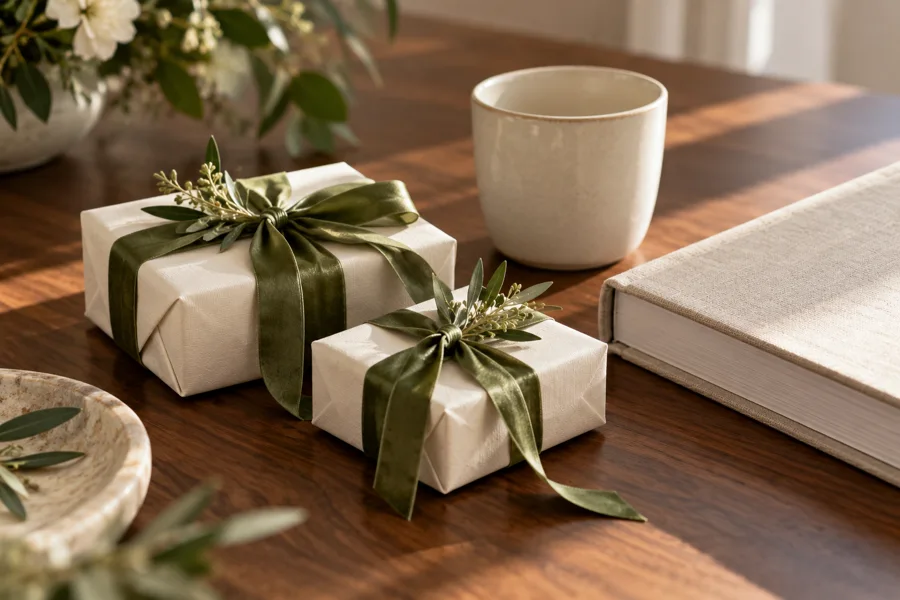
- Reduce favors or decorative stationery before cutting essential service.
- Keep the final delivery and removal budget visible.
Hospitality can be a stronger organizing idea than ornament. UNESCO’s Arabic coffee heritage entry offers a specific example of welcome as a social practice. If a family coffee service matters to your celebration, design a comfortable place for it rather than merely displaying a decorative pot.
A separate henna gathering can use the same palette on a smaller scale. Let each event have its own mood while sharing a few materials. The broad traditions guide helps distinguish cultural practices from optional styling choices.
Decor questions
How do we avoid a theme-park effect?
Choose specific references, use fewer decorative symbols and keep functional furniture visible. Avoid mixing unrelated costumes, props and motifs as if they belonged to one place or era.
Can a small venue still feel formal?
Yes. Consistent table settings, careful lighting and an uncluttered focal point can create formality without large installations. Leave enough space between tables; crowding undermines even an expensive design.
Prepared for this edition on October 21, 2026. Cultural references are linked in context. Requested commercial and message-resource links are marked nofollow; products have not been tested.